
Understanding the psychology of gambling what motivates players
The Thrill of Risk and Reward
The psychology of gambling is deeply intertwined with the thrill that players experience when taking risks. For many, the excitement of potentially winning large sums of money can be intoxicating. This risk-reward dynamic triggers the brain’s reward system, releasing dopamine, which enhances feelings of pleasure and satisfaction. Players often seek out this rush, making the act of gambling not just about financial gain, but also about the exhilarating experience that comes with it. Engaging with an aviator game can amplify this excitement, providing a unique opportunity for social interactions.
Social Influences on Gambling Behavior
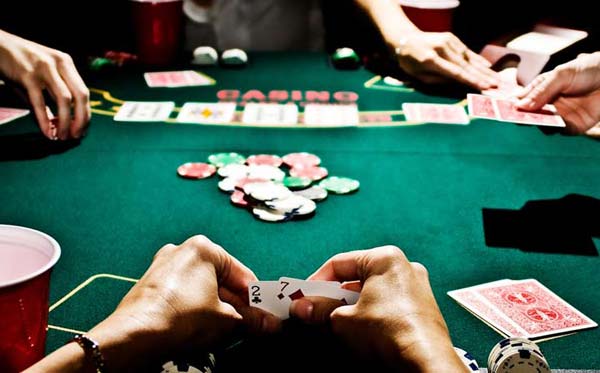
Gambling is often seen as a social activity, creating connections among players. Many individuals are motivated to gamble due to the social environment surrounding it, whether it be at physical casinos or online platforms. The camaraderie shared among players, the excitement of shared experiences, and the encouragement from friends can significantly impact a person’s decision to participate in gambling.
Moreover, social norms and peer pressure can play a crucial role in shaping gambling habits. When gambling is normalized within a community or among friends, individuals may feel compelled to join in, further driving their motivation to play. This social aspect can create a sense of belonging, making it difficult for some players to resist the urge to gamble, even when they know the risks involved.
The Role of Cognitive Biases
Cognitive biases significantly influence gambling behavior, as players often fall prey to misconceptions about odds and probabilities. For instance, the illusion of control leads individuals to believe they can predict outcomes based on their choices, which can be a powerful motivator to keep playing. Many gamblers perceive patterns in random events, leading them to feel overconfident in their ability to win.
Another common cognitive bias is the gambler’s fallacy, where players believe that past outcomes will influence future results. This can lead to a persistent belief that a win is «due,» motivating players to continue gambling in hopes of hitting the jackpot. Understanding these biases is crucial for addressing gambling behavior, as they can foster an unrealistic perspective on risk and reward.
Emotional Factors in Gambling
Emotions play a pivotal role in the motivation behind gambling. Many players use gambling as a means to escape from stress, anxiety, or depression. The adrenaline rush associated with the game can serve as a temporary relief from negative feelings, which can reinforce the habit over time. Consequently, gambling can become a coping mechanism rather than a mere pastime.
Additionally, feelings of nostalgia and reminiscence can motivate individuals to engage in gambling. For some, recalling past wins or memorable experiences associated with gambling can evoke a sense of comfort and excitement. This emotional connection often leads players to seek out these experiences again, driving them to gamble more frequently.

Exploring Options with Aviator Game®
Aviator Game® provides an engaging platform for players looking to explore the world of gambling. With its user-friendly design and exciting gameplay, it allows players to experience the thrill of crash gaming while being mindful of their choices. This platform not only enhances the gambling experience but also offers insights into effective strategies to maximize enjoyment and minimize risks.
By providing a safe environment for players, Aviator Game® prioritizes responsible gaming. Users can enjoy real-time statistics and access a demo version to practice their skills before committing real money. The combination of engaging gameplay and educational resources makes Aviator Game® a premier destination for those eager to understand the psychology of gambling and explore what motivates players to join in the fun.