
The Allure of Casino Gaming
The psychology behind casino gaming behavior is multifaceted, intertwining various elements that attract players to the gaming environment. Firstly, the thrill of uncertainty plays a critical role; players are drawn to the idea of winning unexpectedly, fostering excitement and anticipation. This unpredictability triggers dopamine release in the brain, enhancing feelings of pleasure and reinforcing the gaming behavior. The ambiance of a casino, with its vibrant lights and sounds, further heightens this experience, creating an immersive environment that captivates players. In recent years, the rise of crypto casinos has added an exciting new dimension to this landscape.
Moreover, many individuals view casino gaming as a form of escapism. The pressures of daily life can lead people to seek refuge in the excitement of gaming, where they can momentarily forget their stresses. This essential human desire for temporary relief can easily translate into prolonged gaming sessions, as players become absorbed in the thrill and diversion that casinos offer.
The Role of Social Interaction
Social dynamics significantly influence casino gaming behavior, as many players enjoy the communal aspects of gaming. The interaction with other gamblers can amplify the thrill of the experience, making it more enjoyable. Casinos often create social environments that encourage conversation and shared experiences, whether at a poker table or a slot machine row. This social interaction can enhance the sense of belonging and camaraderie among players, making them more likely to return.
Additionally, the competitive nature of gaming fosters a unique social landscape where players can challenge each other. This competition not only enhances the gaming experience but also taps into our basic psychological instincts. The desire to win, both for oneself and in comparison to others, fuels engagement, often leading to repeat visits and sustained gambling behavior.
The Impact of Cognitive Biases
Cognitive biases play a crucial role in shaping how individuals perceive and engage with casino gaming. One common bias is the illusion of control, where players believe they can influence the outcome of games that are purely based on chance, such as slot machines or roulette. This illusion can motivate people to gamble more frequently, as they feel empowered by the belief that their decisions can impact their luck.
Another significant bias is the gambler’s fallacy, where individuals mistakenly believe that past events can influence future outcomes in random games. For instance, a player might think that a particular number is «due» to win after several losses. This misconception leads to continued investment in gaming, as players chase perceived patterns that do not exist, reflecting a profound misunderstanding of probability and statistics.
The Emotional Rollercoaster of Gambling
The emotional journey of casino gaming significantly influences player behavior. Gamblers often experience a mix of excitement, hope, frustration, and disappointment throughout their gaming sessions. These fluctuating emotions can create a compelling cycle: winning can lead to increased excitement and further gambling, while losses might drive players to chase their losses in search of redemption. This emotional volatility can be addictive, as the highs of winning can overshadow the lows of losing.
Furthermore, the development of conditioned responses can further intensify this emotional connection to gambling. Players might find themselves returning to casinos as a way to recreate the feelings associated with past wins. This cycle can lead to habitual gambling behavior, reinforcing the bond between emotional states and gaming activities, which can ultimately impact decision-making and financial well-being.
Understanding the Gaming Landscape
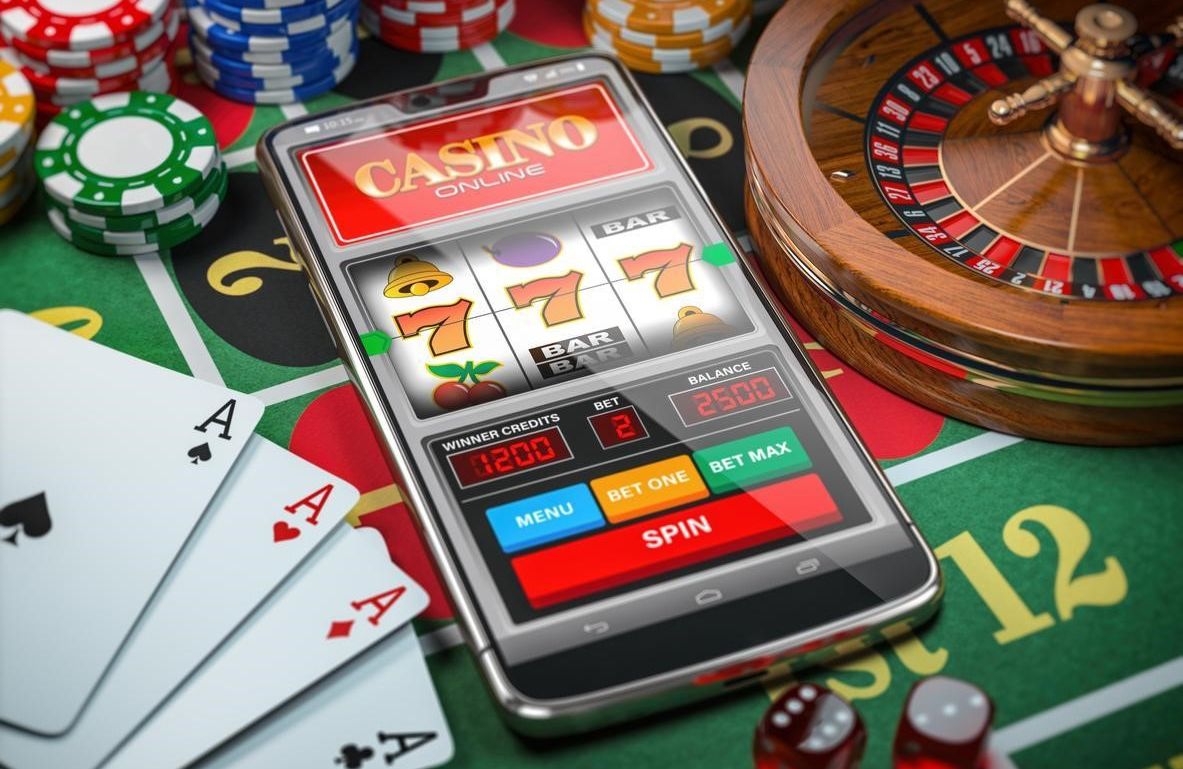
As the landscape of online casinos evolves, understanding the psychology behind gaming behavior becomes increasingly crucial. The integration of cryptocurrencies and digital payment methods is redefining how players engage with gaming platforms. These innovations cater to the desires of modern players for security, anonymity, and flexibility, aligning with their psychological preferences.
Moreover, platforms that prioritize user experience and psychological insights tend to attract and retain players more effectively. By recognizing the emotional and cognitive factors at play, online casinos can create environments that not only engage players but also provide valuable support for responsible gaming. This holistic approach ensures that players can enjoy their gaming experience without compromising their well-being, fostering a healthier gaming culture.